Inflation quietly reshapes the costs of homeownership, nudging mortgage rates, property taxes, and maintenance bills higher over time. Debt service and insurance premiums may rise even when home values stabilize, reducing discretionary spending and eroding purchasing power. The effect is cumulative: small annual increases compound into a meaningful budgeting challenge. For homeowners, vigilance and proactive planning become essential, yet the path forward remains nuanced. A closer look at financing, protection, and cost-management choices is warranted.
The Hidden Cost of Inflation on Mortgage Payments and Debt

Inflation exerts a multifaceted pressure on mortgage payments and debt, shaping both interest costs and payment stability. Rising inflation tends to push interest rates higher, increasing costs for new or refinanced debt and elevating monthly obligations over time.
Adjustable-rate mortgages (ARMs) are especially vulnerable, as payment amounts can fluctuate with rate movements driven by inflation. Even fixed-rate borrowers face reduced purchasing power in real terms, as principal and interest remain constant while living costs rise.
Property taxes and maintenance expenses often climb with inflation, adding indirect pressure on overall housing affordability and debt management strategies. Prudence favors rate surveillance and cost-optimization planning.
Property Taxes and Home Insurance in a Rising-Price Environment
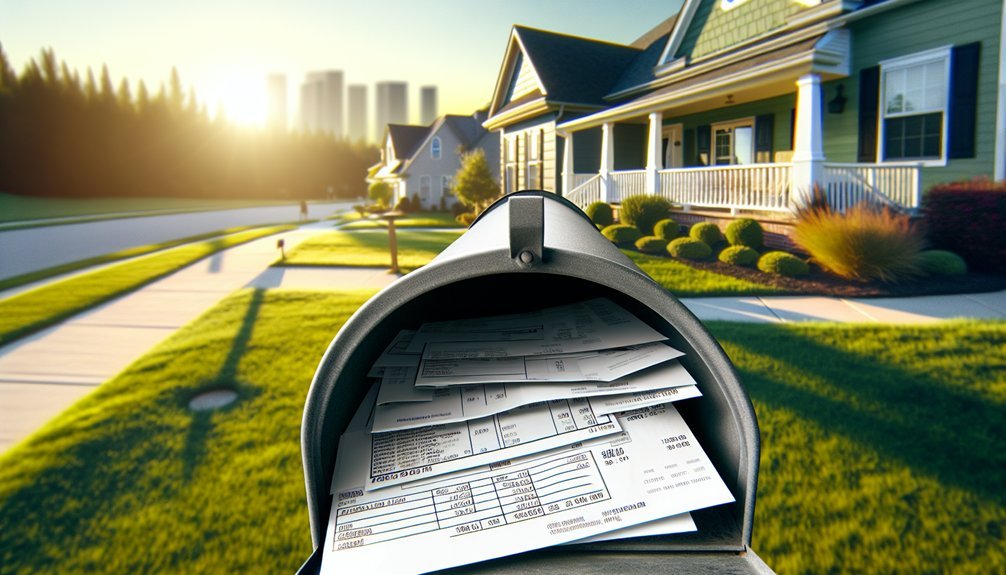
In a rising-price environment, property taxes and homeowners insurance can become increasingly burdensome components of housing costs.
Property tax rates may rise as property values inflate; states with high rates, such as New Jersey and Illinois, illustrate the potential burden on households.
Property tax rates rise with inflated values, hitting households hardest in states like New Jersey and Illinois.
Homeowners insurance premiums have surged, and underinsurance is common as disaster coverage becomes costlier amid climate risk.
The combined effect adds about $17,459 annually beyond mortgage payments for many households in 2023, highlighting a hidden cost layer.
As inflation persists, this tax-insurance cycle can strain budgets, underscoring the need for proactive financial planning.
Maintenance, Upgrades, and the Real Cost of Owning a Home

Property ownership carries more than the mortgage payment, as ongoing maintenance, taxes, insurance, and utilities shape the total cost of homeownership.
Inflation raises maintenance and material prices, increasing repair and upkeep expenses over time. Hidden costs average about $17,459 annually beyond mortgage payments, underscoring the burden of upkeep, utilities, and insurance on budgets.
Property taxes often rise with property values, a pressure amplified for those on fixed incomes. Upgrading with energy-efficient improvements can mitigate long-term utility costs, though initial outlays and labor rates rise with inflation.
A cautious, data-driven approach supports budgeting for ongoing, non-mortgage expenses and selective, cost-effective renovations.
Protecting Home Equity: Smart Financing and Budgeting Moves
Implementing prudent financing and budgeting moves can safeguard home equity amid rising costs, with fixed-rate mortgage stability and strategic expense planning forming the core of this approach.
Fixed-rate mortgages stabilize payments, shielding equity from inflation-driven budget strain. Over time, home equity grows as property values outpace inflation, enabling leverage for future investments.
Proactive budgeting preserves funds for maintenance and unexpected repairs, mitigating inflation’s ripple effects. Refinancing to lower rates improves cash flow and preserves equity. BRRRR-style planning can expand a portfolio while protecting existing equity.
- Prioritize fixed-rate financing
- Allocate funds for maintenance and repairs
- Consider rate-refining refinancings as needed
Practical Steps to Weather Inflation Without Sacrificing Your Home Nest Egg
Practical steps to weather inflation without sacrificing the home nest egg involve a disciplined mix of financing, maintenance, and income strategies grounded in current cost data.
Fixed-rate mortgages stabilize monthly payments, shielding households from rising rates and aiding long-term planning. Proactive maintenance and cost-conscious repairs curb service and material expenses driven by inflation.
House hacking can generate supplemental income by renting portions of the dwelling, offsetting higher living costs. Renegotiating insurance policies lowers premiums and reduces ancillary costs beyond mortgage obligations.
Relocating to lower-tax jurisdictions offers meaningful savings. Combined, these measures preserve wealth while managing inflation’s financial pressures.
Conclusion
In sum, inflation’s footprint on homeowners is multi-faceted yet measurable. For example, mortgage rates tied to inflation can raise total interest costs by dozens of thousands over a typical 30-year loan. The data suggest households who lock rates, maintain proactive budgets, and explore income offsets fare better over time. While uncertainty remains, a disciplined, data-driven approach—tracking rates, taxes, and maintenance—offers a cautious path to preserving equity and financial stability without sacrificing homeownership.