A VA cash-out refinance could be your smartest financial move if you have significant home equity and need cash for renovations or debt consolidation. It offers benefits like lower interest rates and no PMI, but be cautious about using funds for everyday expenses. You should also consider whether your home’s value is stable and if interest rates are favorable. If you’re curious about the advantages and potential pitfalls, there’s more to uncover.
Key Takeaways
- Assess your home equity to determine if you can access sufficient cash for your needs without jeopardizing your financial stability.
- Compare current interest rates and potential savings against your existing mortgage to evaluate if refinancing is beneficial.
- Consider your purpose for the cash; prioritize home renovations or debt consolidation over non-essential purchases to ensure long-term financial health.
- Be cautious of market conditions; avoid refinancing if home values are declining or interest rates are rising.
- Explore alternatives like home equity loans or HELOCs if you lack sufficient equity or have short home ownership duration.
Benefits of a VA Cash-Out Refinance

If you’re a veteran or active-duty service member looking for financial flexibility, a VA cash-out refinance could be your ideal solution. This option lets you access up to 100% of your home’s value, giving you the cash you need for home improvements or debt consolidation. You’ll benefit from lower interest rates compared to conventional loans, making it a cost-effective choice. Plus, you won’t have to pay private mortgage insurance (PMI), which means lower monthly payments and significant savings. By consolidating high-interest debts into a single, lower-interest mortgage, you can enhance your financial stability. Shifting from non-VA loans to a VA-backed loan also offers more favorable terms and protections, making this refinancing option a smart move.
When to Consider a VA Cash-Out Refinance
When should you consider a VA cash-out refinance? If you’re a veteran or active-duty service member with significant home equity, this option can be a smart move. It’s ideal for accessing funds for home renovations, debt consolidation, or major life events, allowing you to leverage up to 100% of your home’s value. This refinance can help consolidate high-interest debts into a lower-rate mortgage, easing your financial burden. Timing matters too; consider this option when interest rates are favorable to maximize savings. However, be cautious if you’re thinking about using the cash for everyday bills or non-essential purchases, as it could lead to long-term financial strain. Always weigh the benefits against potential drawbacks.
Scenarios to Avoid a VA Cash-Out Refinance

Wondering when to steer clear of a VA cash-out refinance? If you’re planning to use the funds for everyday bills or large discretionary purchases, think again—this can lead to long-term debt burdens. Avoid refinancing if your home’s value is expected to decline; you don’t want to owe more than your property is worth. In a rising interest rate environment, refinancing may not be wise unless the new rates are markedly lower than your current mortgage. If you have insufficient equity or haven’t lived in your home long, caution is essential, as refinancing could jeopardize your financial stability. Finally, relying on home equity for ongoing expenses signals unsustainable practices that could lead to financial distress.
Alternatives to a VA Cash-Out Refinance
Are you exploring options beyond a VA cash-out refinance? You might consider a home equity loan, which gives you a fixed amount of cash based on your home equity, leaving your original mortgage untouched. Alternatively, a home equity line of credit (HELOC) offers a revolving credit option, letting you borrow as needed for ongoing expenses. If you’re looking for quicker access to cash, personal loans can be a viable choice, although they may come with higher interest rates. Conventional cash-out refinance options are also available, but they might have stricter terms. Finally, shared equity agreements let you sell a percentage of your home equity for a lump sum without increasing your mortgage debt, providing a unique financing option.
Steps to Obtain a VA Cash-Out Refinance
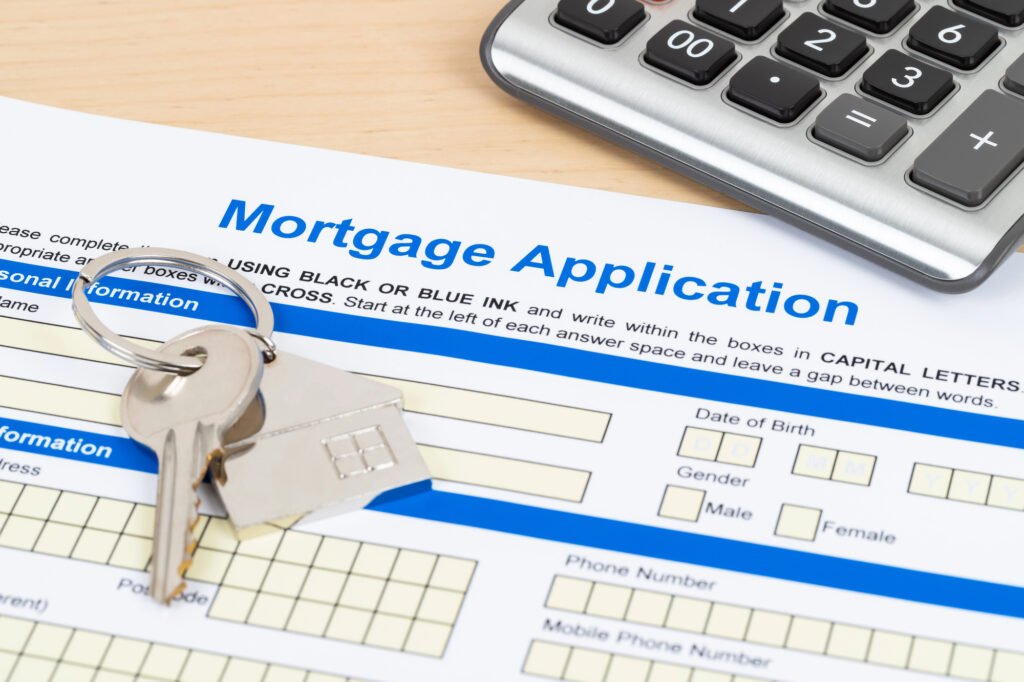
Exploring your options for financing a home is important, especially if you’ve considered alternatives like a home equity loan or HELOC. To start your VA cash-out refinance, first, obtain your VA Certificate of Eligibility (COE) to confirm your military service eligibility. Next, compare multiple VA lenders to find the best interest rates and closing costs. Then, complete the lender’s refinance application, providing your personal and financial information along with documentation of your income and credit history. A home appraisal will be necessary to assess your property’s current market value and guarantee you have enough equity. Once approved, you’ll sign the necessary documents and receive your cash, typically deposited in a lump sum at closing.
Frequently Asked Questions
What Is the Minimum Credit Score Required for a VA Cash-Out Refinance?
For a VA cash-out refinance, you typically need a minimum credit score of 620. However, lenders might have different requirements, so it’s best to check with your lender for their specific criteria.
How Long Does the VA Cash-Out Refinance Process Typically Take?
The VA cash-out refinance process typically takes about 30 to 45 days. You’ll need to gather necessary documents, and your lender will guide you through the process to guarantee everything runs smoothly and efficiently.
Can I Use a VA Cash-Out Refinance for Investment Properties?
You can’t use a VA cash-out refinance for investment properties; it’s like trying to fit a square peg into a round hole. This option is exclusively for your primary residence, ensuring veterans benefit directly.
Are There Any Penalties for Paying off a VA Cash-Out Refinance Early?
No, there aren’t any penalties for paying off a VA cash-out refinance early. You can pay it off whenever you want without worrying about extra fees, which gives you flexibility in managing your finances.
What Documents Do I Need to Apply for a VA Cash-Out Refinance?
To apply for a VA cash-out refinance, you’ll need your Certificate of Eligibility, income verification, credit report, and details about your current mortgage. Think of it as gathering ingredients for a recipe to financial stability.
Conclusion
To summarize, a VA cash-out refinance can be a powerful tool for accessing your home equity, but it’s essential to weigh the pros and cons. Are you ready to take advantage of your financial opportunities while managing potential risks? By carefully considering your goals and current market conditions, you can make an informed decision that aligns with your unique situation. Remember, the smartest financial move is one that enhances your overall stability and future prospects.